
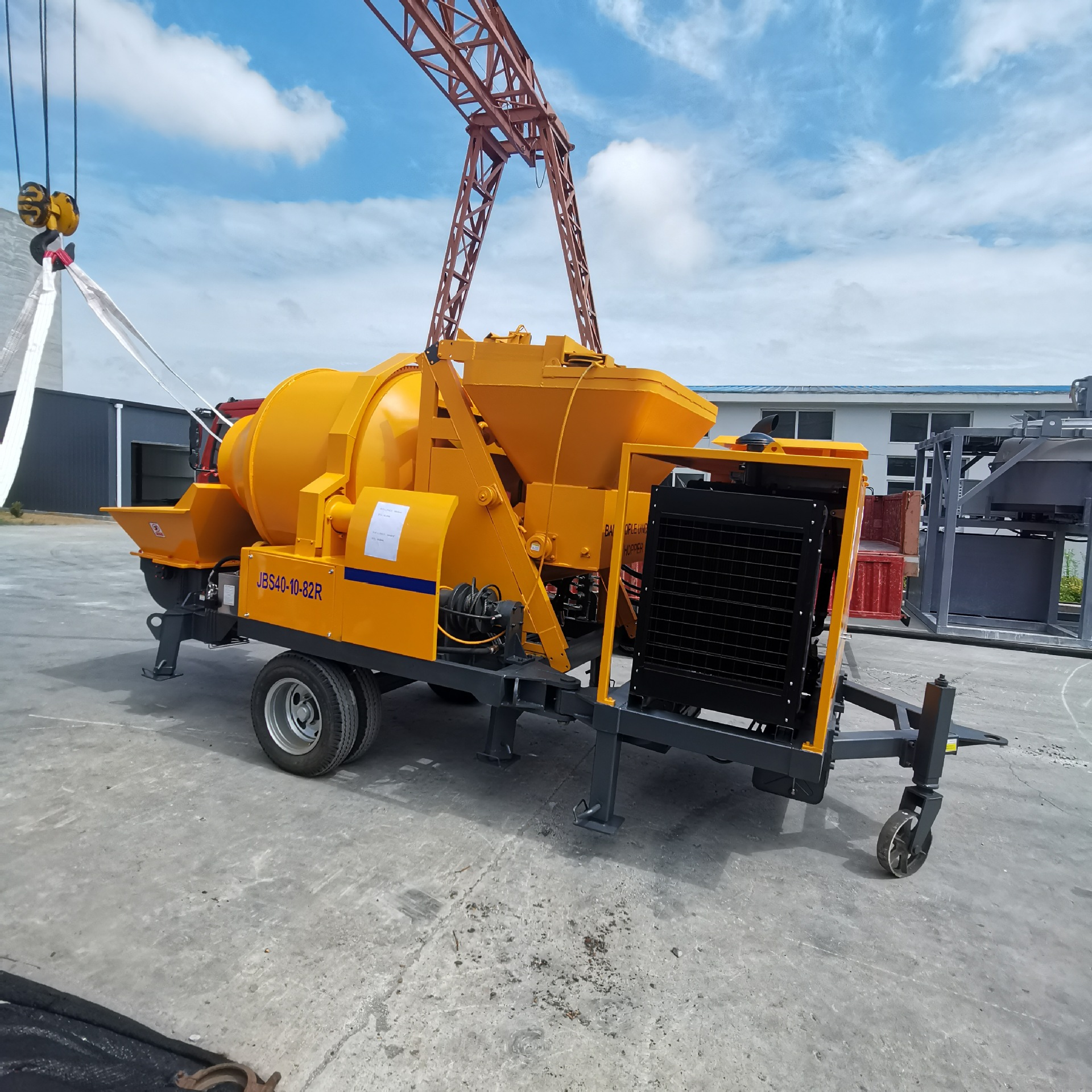
Choosing the right concrete mixing pump can be challenging, especially when you are balancing power options, production capacity, and site conditions. This guide breaks down the key decisions so you can make a confident, cost-effective choice.
First, define your project needs. Do you already have a batching plant or buy ready-mix concrete? If so, a trailer pump may be enough. If you need to mix and pump your own concrete in modest volumes, a self-mixing pump system is a smart option. For frequent job-site moves, a truck-mounted pump is easier to mobilize. If you need boom placement, consider a boom pump. Matching the equipment configuration to your work flow is the first step.
Next, decide between electric and diesel power. Electric power is generally more economical, quieter, and cleaner, making it ideal for sites with reliable grid access and long continuous operation. Diesel power is better for remote or temporary sites without stable electricity, or for projects that require frequent relocation. There is no universal “best” choice; the right answer depends on your power availability, fuel logistics, and local emissions rules.
Then, size the production capacity carefully. Do not rely only on theoretical output. Most batching plants deliver roughly 70–80 percent of their rated production under real-world conditions. Start with your daily concrete requirement and planned working hours. For example, if you need 240 m³ in an 8-hour shift, your plant should produce about 30 m³/h net; with the 70–80 percent factor, a theoretical rating of 40–45 m³/h would be safer. Also consider your project duration, aggregate supply, and budget.
At our company, we offer a range of mixing plants to match these needs. The YHZS35, YHZS50, and YHZS75 mobile mixing plants are designed for road and bridge projects that require frequent moves. The HZS35, HZS50, HZS75, and HZS90 stationary plants offer higher fixed output for medium to large construction sites, with hopper or belt feeding options. The MHZS90 foundation-free plant combines a 90 m³/h theoretical output with quick installation for temporary or export projects. When selecting a model, remember to factor in silo capacity: a general guideline is to store 3–5 days of cement consumption.
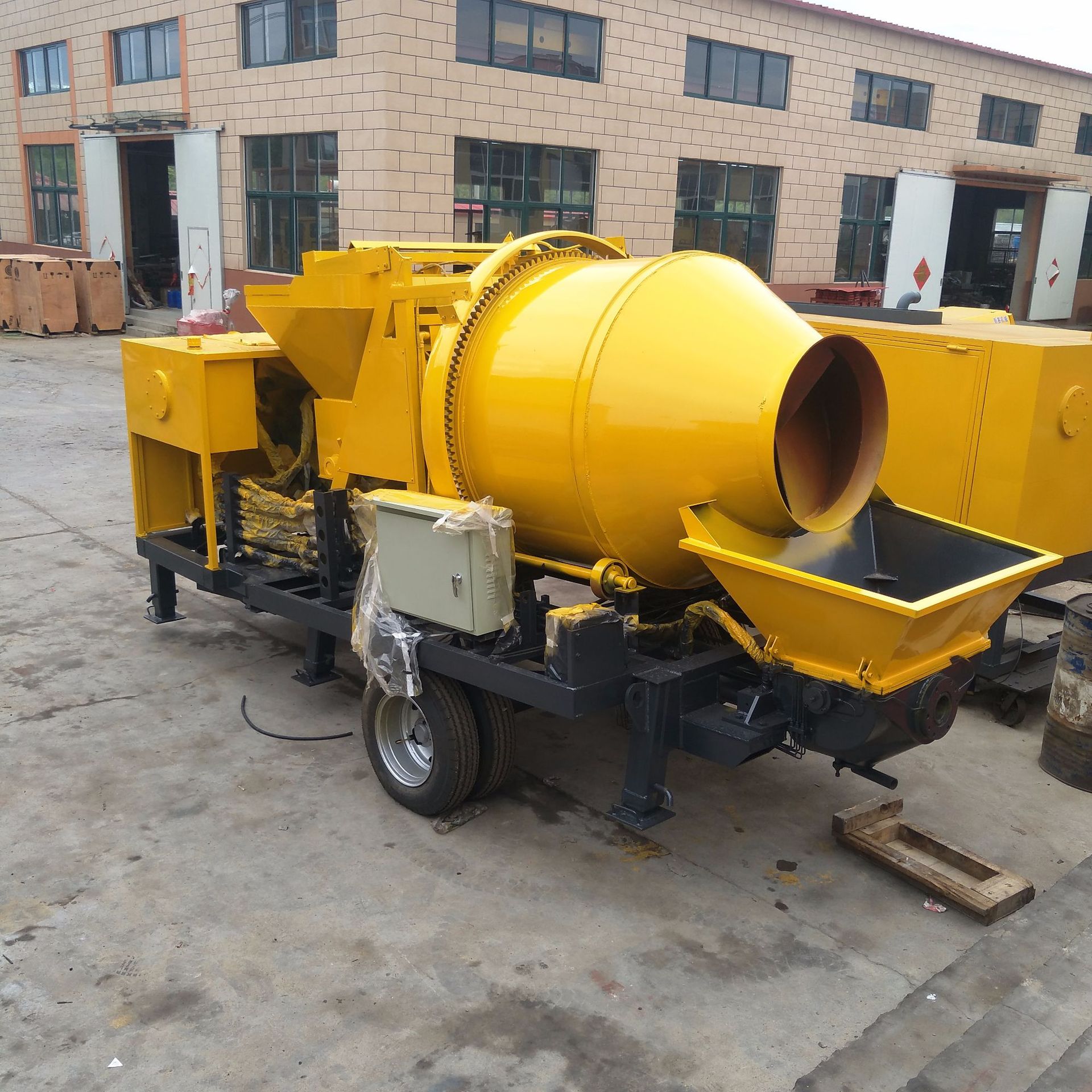
Finally, always confirm site conditions and choose a supplier that can support you with complete technical documentation and after-sales service. Weigh the total cost of ownership, not just the purchase price.
Contact us today for a tailored quote and let our team help you find the right concrete mixing pump and batching plant combination for your project.
#ConcreteMixingPump #BatchingPlantSelection #ConcreteEquipment